“Rejoice greatly, O Daughter of Zion! Shout, Daughter of Jerusalem! See, your king comes to you, righteous and having salvation, gentle and riding on a donkey, on a colt, the foal of a donkey.” (Zechariah 9:9)
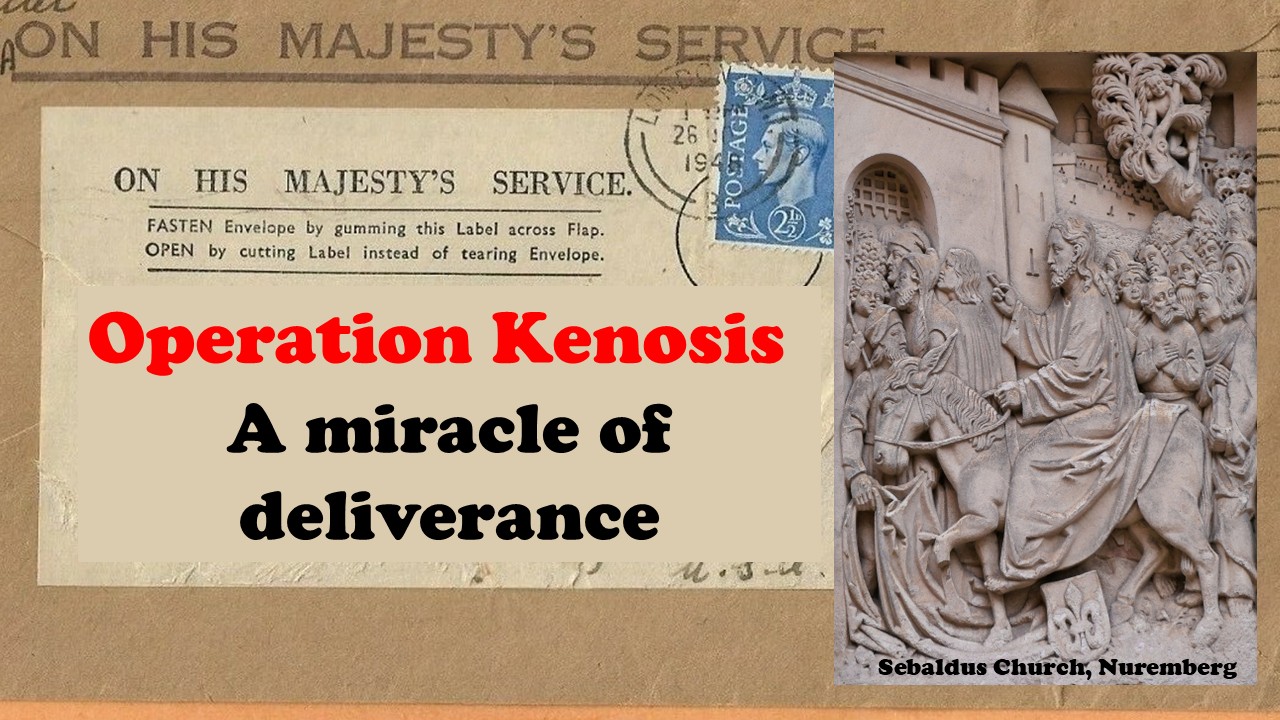
This Sunday is Palm Sunday. We remember Jesus on a journey into Jerusalem. He, like many Jews, was on a pilgrimage to Jerusalem from his home region of Galilee. Yet, he chose to arrive in Jerusalem deliberately announcing to the crowds that he was coming to be made king. He rode on a donkey in fuflilment of the prophecy in Zechariah.
The crowds, many of whom had witnessed his amazing preaching and astonishing miracles, responded by praising him and laying down branches along the path, symbolically welcoming him as their king. Yet, remarkable as this was, difficult questions remained. How could Jesus be enthroned when he was not welcomed by the temple authorities? (They were jealous of his popularity and angry at his criticism of them). And how could Jesus overthrow the military power of the Romans who occupied the city?
Yet, within a week, Jesus was crowned and declared to be king. At his crucifixion, a crown of thorns was placed on his head and a placard placed above him declaring him to be, “King of the Jews.” To most this looked like the authorities mocking his claims, but the deeper reality was that his claims were becoming true in ways people could not comprehend. On the cross Jesus became king of God’s eternal Kingdom, as his subsquent resurrection proved.

 St. George's Church Ramsgate