“The stone the builders rejected has become the capstone;” (Psalm 118:22)
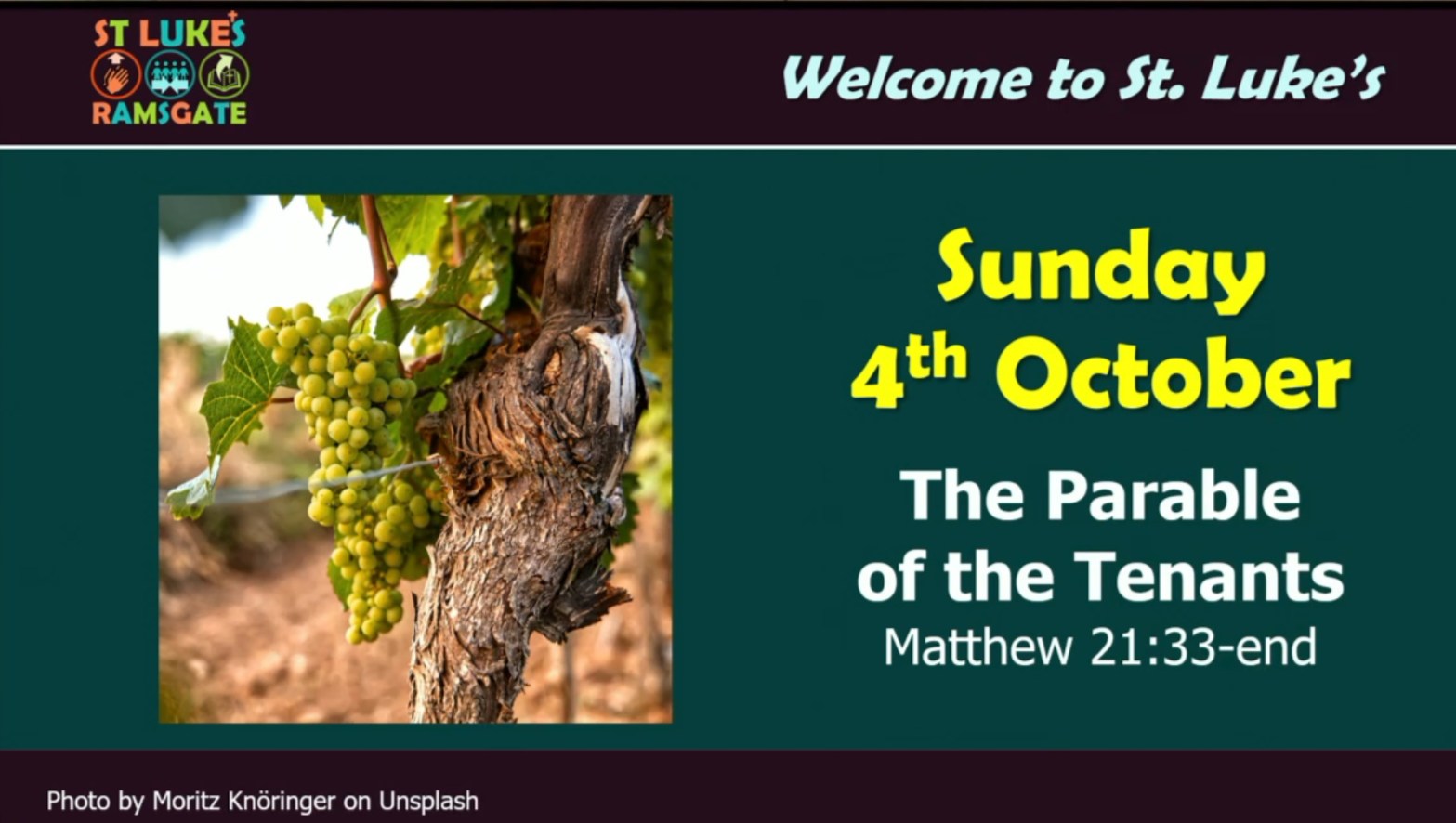
In 33AD, Jesus was in Jerusalem debating with the heavy-weight Jewish authorities. In that debate, Jesus told them a story about a vineyard, whose tenants refused to pay rent to the vineyard owner. It was obvious that the story was a thinly veiled criticism of the temple authorities. Jesus was publicly accusing them of failing to do what God required. Yet, what hope did Jesus, a poor Jewish Rabbi from the backward region of Galilee, have of making a difference against the powerful temple elite?
The events of the following days seemed to give an answer. In worldly terms Jesus had no hope. In the following days, they arranged for Jesus’ arrest trial and execution. Their critic was dead and buried. Or so they thought.
The truth was different. What they should have seen from Jesus’ teaching and miracles was that this was no ordinary Rabbi. This was God’s Son. They should have accepted his criticism and started to behave as God required.
Yet, this was not the end of the story. Although Jesus was brutally rejected by them, he was resurrected by God and became the capstone for a new living temple, the church, which would transform the world.